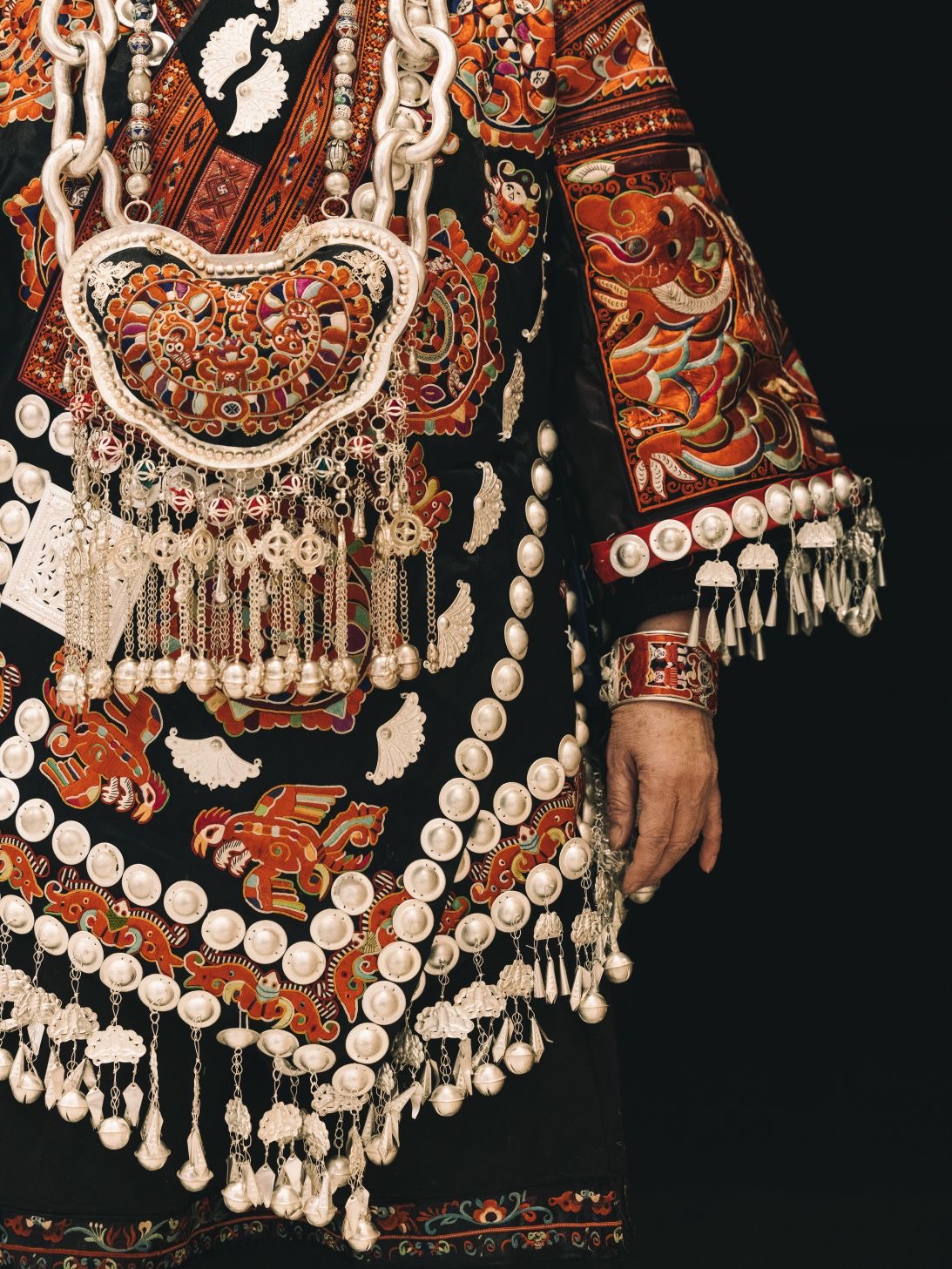
Miao Embroidery
Introduction
Miao embroidery is a traditional craft and cultural heritage of the Miao ethnic group, primarily residing in southern China's mountainous regions, including Guizhou, Yunnan, Sichuan and Hunan provinces and Chongqing municipality. Recognized as a national intangible cultural heritage of China since 2006, Miao embroidery is celebrated for its intricate designs, vibrant colors, and deep cultural significance. Often referred to as "the Miao epic worn on the body," this art form serves as a visual narrative of the Miao people's history, myths, and values. The embroidery features motifs inspired by nature, mythical creatures, and ethnic history, reflecting the worldview and aesthetics of the Miao community.
Miao embroidery is not only a form of artistic expression but also a vital part of the Miao people's daily lives. It adorns traditional clothing, accessories, and ceremonial attire, and plays a significant role in cultural rituals and social practices. For Miao women, embroidery is a skill passed down through generations, often starting in childhood. It is also an essential component of a bride's dowry, symbolizing auspiciousness and the hopes for a prosperous future.
Despite its rich heritage, Miao embroidery faces challenges in modern times, including the risk of losing traditional techniques and patterns. Efforts to preserve and promote this art form have gained momentum, with local governments, artisans, and organizations working together to ensure its survival and relevance in contemporary society.
Techniques
Materials and Tools
Miao embroidery is crafted using a variety of materials and tools, each chosen to enhance the intricate designs and vibrant colors that define this art form. The primary material used is cloth, often dyed in rich hues such as deep blue, black, or red, which serves as the canvas for the embroidery. Traditional Miao artisans utilize threads made from silk, cotton, or other natural fibers, dyed in vivid colors to create striking contrasts and intricate patterns.
The tools employed in Miao embroidery include needles, scissors, and wooden frames. The wooden frames are used to stretch and stabilize the cloth, allowing artisans to work with precision. Some regions have introduced modern embroidery machines to complement traditional handcrafting methods, enabling artisans to produce larger quantities while maintaining quality.
The choice of materials and tools varies across different Miao communities, reflecting regional preferences and cultural influences. For example, some groups incorporate silver threads or beads into their embroidery, adding a unique texture and shimmer to the designs. These materials and tools are integral to the creation of Miao embroidery, ensuring its distinctive aesthetic and cultural significance.
Stitching Methods
Miao embroidery is renowned for its diverse stitching techniques, which contribute to the complexity and beauty of the designs. Artisans employ over 20 needlework methods, each with its own unique characteristics and applications. Common techniques include flat stitching, chain stitching, and seed stitching, which are used to create intricate patterns and textures.
Flat stitching is often used for large, solid areas of color, providing a smooth and even surface. Chain stitching involves looping the thread to create a series of interconnected loops, adding depth and dimension to the design. Seed stitching, characterized by small, individual stitches, is used to create detailed patterns and intricate motifs.
In addition to these techniques, Miao embroidery often incorporates three-dimensional elements, such as raised stitching and appliqué, to enhance the visual impact of the designs. The combination of these methods allows artisans to create complex and captivating patterns that reflect the rich cultural heritage of the Miao people.
Regional Variations
Miao embroidery exhibits significant regional variations, each reflecting the unique cultural and historical influences of the local Miao communities. These variations are evident in the choice of motifs, color schemes, and stitching techniques, showcasing the diversity and richness of Miao culture.
For example, the Siyin Miao subgroup in Qingzhen city, Guizhou, is known for its distinctive four-seal-shaped patterns, which are made of multicolored silk threads. These patterns symbolize the history and mysterious charm of the Siyin Miao people and are often featured on ceremonial attire. The craftsmanship of Siyin Miao embroidery was recognized as a provincial representative intangible cultural heritage in 2014.
In Pengshui county, Chongqing, the Miao embroidery tradition is characterized by its intricate techniques and vibrant colors, with patterns featuring mythical creatures, flowers, and landscapes. Pengshui Miao embroidery has become a source of economic empowerment for local women, providing them with stable incomes and preserving the art form.
Other regions, such as Shibing and Leishan counties in Guizhou, have developed their own unique styles of Miao embroidery, incorporating traditional patterns with modern designs to appeal to contemporary markets. These regional variations highlight the adaptability and resilience of Miao embroidery, ensuring its continued relevance and appreciation.
Modern Applications
In recent years, Miao embroidery has found new applications in fashion, art, and cultural industries, bridging the gap between tradition and modernity. Designers and artisans have reimagined traditional patterns and techniques to create innovative products that appeal to contemporary audiences.
Miao embroidery has been featured in international fashion events, such as Milan Fashion Week, where Chinese designers showcased collections inspired by this art form. For instance, Zhao Huizhou's Fall/Winter 2025 collection, Aurora, incorporated Miao embroidery patterns into modern designs, blending traditional craftsmanship with contemporary aesthetics. The collection highlighted the versatility of Miao embroidery, using lightweight fabrics and bold color contrasts to create visually striking pieces.
Beyond fashion, Miao embroidery has been integrated into everyday items, such as bags, shoes, cushions, and accessories, making it accessible to a wider audience. Cultural and creative companies have emerged to develop and market these products, providing economic opportunities for local artisans and promoting Miao culture globally.
Efforts to modernize Miao embroidery also include the use of digital design systems and automated production equipment, enhancing production efficiency and quality. These innovations ensure that Miao embroidery remains relevant in the modern world while preserving its traditional essence.
Preservation and Promotion
The preservation and promotion of Miao embroidery have become a priority for local governments, organizations, and individuals, as the art form faces challenges such as generational gaps and changing cultural preferences. Various initiatives have been launched to ensure the survival and growth of this intangible cultural heritage.
Training programs and workshops have been established to teach embroidery skills to new generations and provide opportunities for local women to earn stable incomes. Artisans like Wan Meidu and Chen Guotao have played a crucial role in these efforts, dedicating themselves to preserving and promoting Miao embroidery. They have organized training camps, partnered with local associations, and established companies to support the craft.
Exhibitions and cultural events, such as the "Chinese Miao Art Exhibition" and the "Splendid China: China Intangible Cultural Heritage Fashion Show," have showcased Miao embroidery on international stages, raising awareness and appreciation for this unique art form. Collaborations with designers and artists have further amplified its global appeal.
Local governments have also invested in the development of Miao embroidery industry chains, integrating research, production, sales, and tourism. Ethnic embroidery parks and museums have been established to preserve and promote the art form, while intellectual property rights have been protected to ensure its authenticity and economic viability.
Through these collective efforts, Miao embroidery continues to thrive as a symbol of cultural identity, artistic excellence, and economic empowerment for the Miao people.








